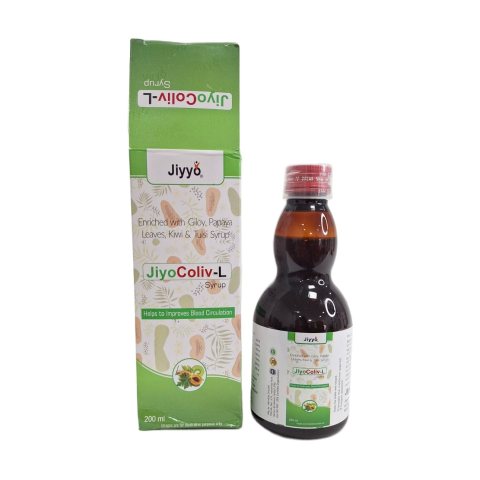


Herbotus
- Composition
- Each 5ml contains aqueous extracts from :- Banfsha - Viola Odorata - 150mgDraksha - Vitis Vinifera - 150mgUnnav - Zizyphus sativa - 150mgAnjeer - Ficus Carica - 150mgKateri - Solanum Xanthocarpum - 150mgAjwain - Trachyspermum Ammi - 100mgMulethi - Glycyrrhiza Glabra - 100mgSaunf - Foeniculum Vulgare - 100mgKhatmi - Althea Officinalis - 100mgUstukhuddus - Lavandula Stoechas - 100mgSaunth - Zingiber Officinale - 100mgVasaka - Justicia Adhatoda - 100mgGiloy - Tinospora Cordifolia - 100mg, Hansraj - Adiantum Lunulatum Burm - 100mgTulsi - Ocimum Tenuiflorum - 100mgSugar & Honey - q.s.)
- Dosage form
- Syrup
- Storage
- Store in a cool, dry place as directed on the product label.
- Brand
- Jiyyo
Overview
A polyherbal cough syrup containing traditional herbs and honey to soothe throat irritation and support respiratory comfort during cough and seasonal throat discomfort.
Read the full description
This polyherbal syrup contains Banfsha (Viola odorata), Draksha (Vitis vinifera), Unnav (Ziziphus sativa), Anjeer (Ficus carica), Kateri (Solanum xanthocarpum), Ajwain (Trachyspermum ammi), Mulethi (Glycyrrhiza glabra), Saunf (Foeniculum vulgare), Khatmi (Althaea officinalis), Ustukhuddus (Lavandula stoechas), Saunth (Zingiber officinale), Vasaka (Justicia adhatoda), Giloy (Tinospora cordifolia), Hansraj (Adiantum lunulatum) and Tulsi (Ocimum tenuiflorum), with sugar and honey.
It is formulated as a traditional herbal preparation for cough and throat comfort. The ingredients are commonly used in traditional respiratory formulations, but the effectiveness of this exact combination has not been established by strong clinical evidence.
Uses & benefits
-
Relief of cough-related throat irritation.
-
Soothing a dry, irritated throat.
-
Supporting comfort during seasonal coughs and colds.
-
Helping ease discomfort associated with mucus and congestion.
-
Providing soothing support for the throat and upper respiratory tract.
The exact formulation has not been proven to treat respiratory infections, asthma, bronchitis or other lung diseases. Herbal cough products may offer symptomatic relief, but evidence varies between products.
-
Throat soothing: Honey and demulcent herbs such as Khatmi are traditionally used to soothe throat irritation.
-
Traditional cough support: Banfsha, Mulethi, Vasaka and Tulsi are commonly included in herbal respiratory formulations.
-
Mucus and congestion support: Ginger and Ajwain are traditionally used in herbal preparations for respiratory and digestive comfort.
-
Herbal formulation: Combines multiple botanicals in a single syrup.
These are traditional or intended supportive benefits, not guaranteed treatment outcomes.
How it works
This formulation is intended to provide soothing support through the combined traditional uses of its ingredients:
-
Banfsha (Viola odorata): Traditionally used in preparations for cough and throat discomfort.
-
Mulethi (Glycyrrhiza glabra): Traditionally used to soothe throat irritation; its safety depends on the amount and duration of exposure.
-
Khatmi (Althaea officinalis): Contains mucilage, which may help coat and soothe irritated mucous membranes.
-
Vasaka (Justicia adhatoda): Traditionally used in herbal respiratory preparations.
-
Tulsi (Ocimum tenuiflorum): Commonly included in traditional cough and cold formulations.
-
Saunth (Zingiber officinale): Traditionally used for digestive and general soothing purposes.
-
Honey: May help soothe cough symptoms in people over one year of age.
The exact mechanism and effectiveness of the complete syrup have not been established. It should not be described as killing respiratory pathogens or curing lung disease without product-specific evidence.
Side effects
Possible side effects may include:
-
Stomach discomfort, nausea or digestive upset.
-
Allergic reactions to one or more herbs.
-
Increased blood pressure or reduced potassium levels with excessive or prolonged exposure to licorice-containing products.
-
Possible interactions with prescription medicines.
The safety of this exact combination has not been established in robust clinical studies. Licorice (Glycyrrhiza glabra) deserves particular caution in people with high blood pressure, heart or kidney disease, or those taking medicines that affect potassium levels.
How to use
Take the syrup only according to the manufacturer’s label or a qualified healthcare professional’s advice.
Safety advice
-
Consult a healthcare professional if you have asthma, chronic lung disease or persistent cough.
-
Seek medical advice before use if you are pregnant, breastfeeding or taking regular medication.
-
If you have high blood pressure, heart disease, kidney disease or low potassium, consult a clinician because the syrup contains licorice.
-
Check the sugar content if you have diabetes.
-
Avoid use if you have a known allergy to any ingredient.
-
Seek urgent medical attention for difficulty breathing, chest pain, coughing up blood or rapidly worsening symptoms. Get medical advice if the cough lasts more than three weeks.
Storage
Store in a cool, dry place as directed on the product label.
FAQs
Q1. What is this herbal syrup used for?
It is marketed for cough relief, throat soothing and respiratory comfort.
Q2. Is it suitable for dry and wet cough?
It may be marketed for cough symptoms, but suitability depends on the product label and the cause of the cough.
Q3. Does it cure a chest infection?
There is not enough evidence to claim that this formulation cures chest infections. Some infections require medical assessment and specific treatment.
Q4. Can children take this syrup?
Only if the specific product label and a qualified healthcare professional confirm it is appropriate for the child’s age. Because it contains honey, it must not be given to infants under one year.
Q5. Can people with diabetes use it?
They should check the sugar content and consult a healthcare professional before use.
Q6. Does it have side effects?
Digestive upset and allergic reactions are possible. Licorice may also affect blood pressure and potassium levels, particularly with excessive or prolonged use.
Q7. How long can it be taken?
Follow the label or professional advice. Persistent or worsening cough should be assessed rather than managed indefinitely with syrup.
Q8. Does it cause drowsiness?
The supplied ingredient list does not establish whether the finished product causes drowsiness. Check the manufacturer’s label and ask a pharmacist if you are unsure.
Jiyyo ‘s sole intention is to ensure that its consumers get information that is expert-reviewed, accurate and trustworthy. However, the information contained herein should not be used as a substitute for the advice of a qualified physician. The information provided here is for informational purposes only. This may not cover everything about particular health conditions, lab tests, medicines, all possible side effects, drug interactions, warnings, alerts, etc. Please consult your doctor through Jiyyo’s platform and discuss all your queries related to any disease or medicine. We intend to support, not replace, the doctor-patient relationship. For any discussion, clarification, or health-related queries, please consult Jiyyo’s qualified doctors.
-
-
Cough, cold & allergy
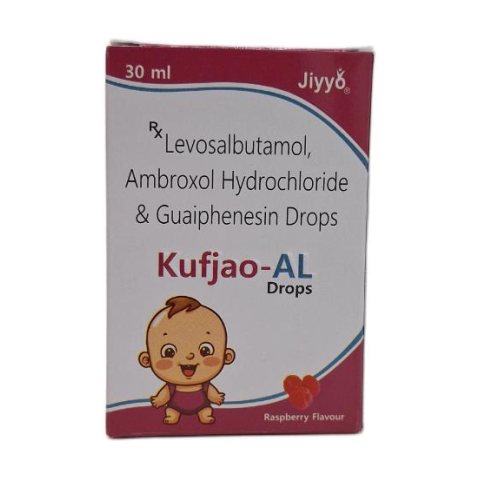
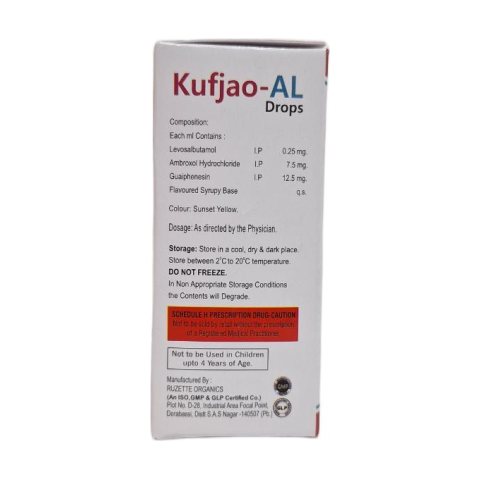
Kufjao-AL Drops
DropsAmbroxol (15 mg/5 ml) + Levosalbutamol (0.5 mg/5 ml) + Guaifenesin (50 mg/5 ml)Sale price ₹22.00MRP ₹61.00 -
Acidity & digestion, Ayurvedic Medicine, Herbal Medicine
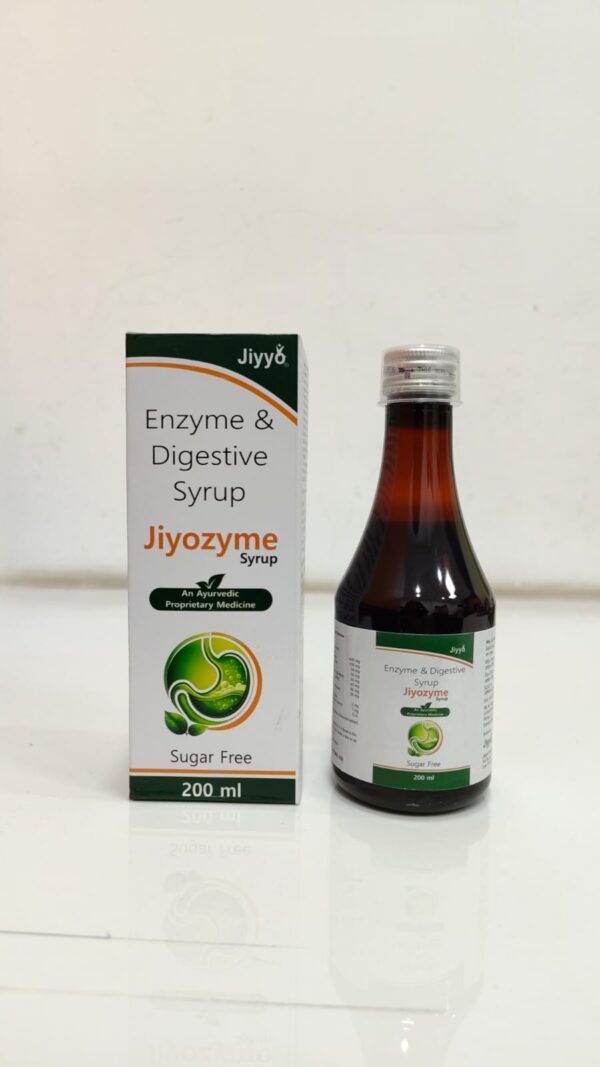
Jiyozyme
SyrupEach 5 ml contains: Aqueous extract derived from:Papaya (Carica papaya) - 400 mgSonth (Zingiber officinale) - 100 mg Kachur (Curcuma zedoaria) - 50 mgVidang (Embelia ribes) - 50 mgKapur Kachri (Hedychium spicatum) - 50 mgAjwain (Trachyspermum ammi) - 40 mgPippali (Piper longum) - 40 mgNagarmotha (Cyperus rotundus) - 20 mg Powders of:Sat Pudina (Mentha piperita) - 2 mgSat Ajwain (Trachyspermum ammi) - 1 mgSale price ₹32.00MRP ₹185.00